
Airbnb damage claims: what proof you need and why timestamped photos matter
Dated before-and-after photos and receipts support an Airbnb damage claim. Here's exactly what to collect, and why you shouldn't wait.
Ellie Fukuda, Founder, Chai
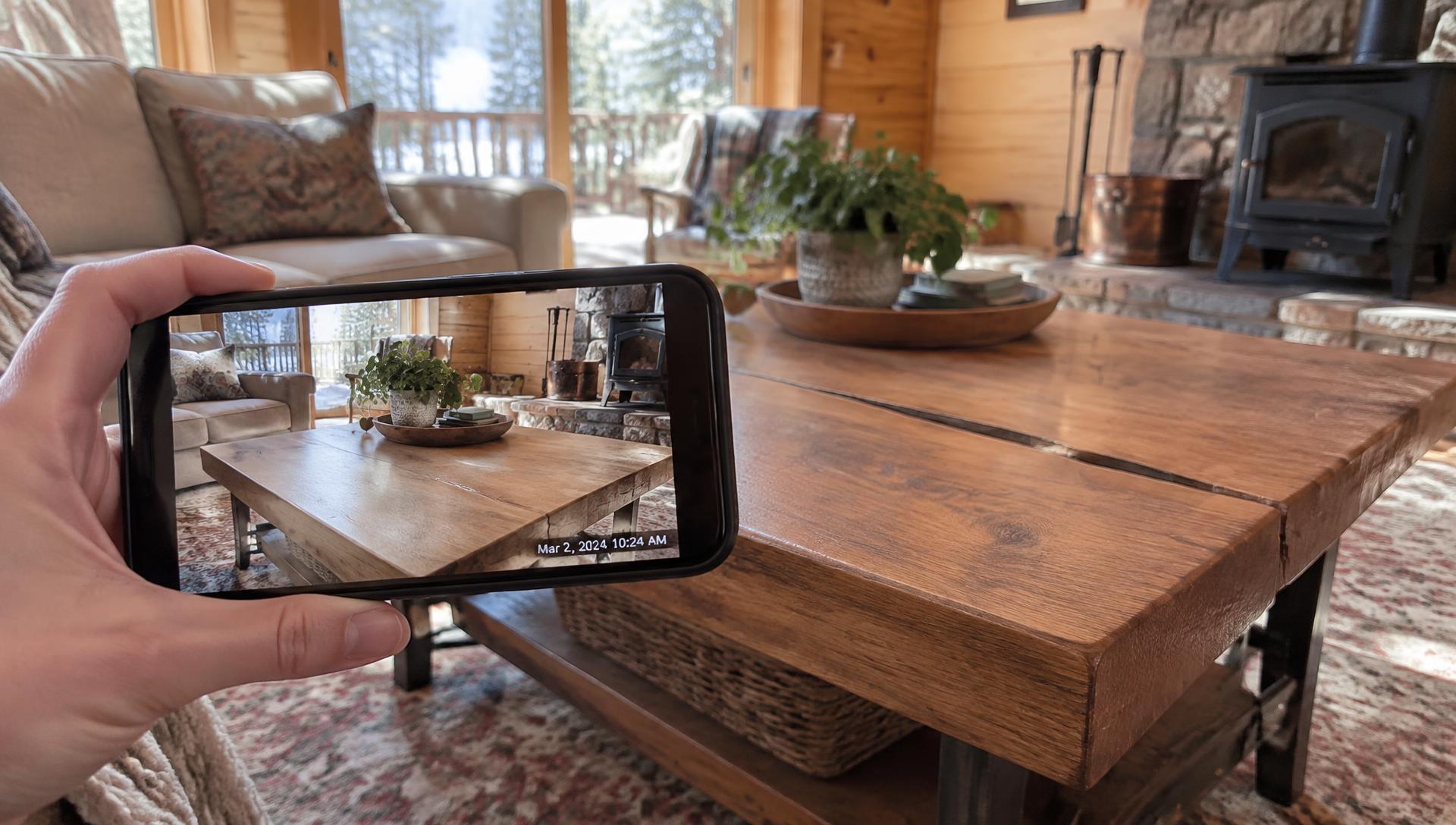
To get paid for guest damage on Airbnb, you need to show two things: that the damage happened during that guest's stay, and what it costs to fix. In practice that means dated photos of the item before the stay and after checkout, plus receipts or repair estimates. Those photos support a claim. They don't guarantee one.
Report damage as soon as you can, ideally right after checkout and before the next guest arrives. Airbnb's guidance on deadlines varies by page, so check the current AirCover for Hosts terms in Airbnb's Help Center and don't wait.
The hard part usually isn't proving that something is broken. It's proving when it broke. That's where most hosts' evidence falls short, and it's the part you can fix before anything goes wrong.
How does Airbnb damage protection work for hosts?
Host damage protection is part of AirCover for Hosts. Airbnb says it covers up to $3 million in damage to your home and belongings. It isn't an insurance policy, and you have to ask the guest to pay first.
Here's the process, based on Airbnb's help article and its Host Damage Protection Terms (last updated August 1, 2026):
- Document the damage with photos or video before anything gets cleaned, moved or repaired.
- Request the amount from the guest in the Resolution Center within 14 days of their checkout.
- Give the guest 24 hours to respond.
- Escalate to Airbnb as soon as the guest declines, ignores you or pays only part. The terms describe a window of up to 30 days from checkout to file the host damage protection request.
- Airbnb reviews it. Some requests are reviewed automatically. If you disagree with the result, you can ask for a human review and add more evidence.
How long do you have to file an Airbnb damage claim?
The clock starts at the guest's checkout, not when you find the damage.
| Platform | Deadline | Where you file |
|---|---|---|
| Airbnb: request payment from the guest | 14 days after checkout | Resolution Center |
| Airbnb: host damage protection | 30 days after checkout | Resolution Center, after the guest request |
| Vrbo: damage deposit claim | 14 days after checkout | The guest's conversation in your Vrbo Inbox |
Those deadlines are the outer limit, not a target. The real risk is finding damage after the next guest has already stayed. Once two stays have passed, it's very hard to show which guest caused it. The fix is to check at every turnover, not just when something seems off.
What proof do you need for an Airbnb damage claim?
You need proof of when and how the damage happened, what the item was worth, and what it costs to repair or replace. Airbnb's terms list what it may ask for:
| What Airbnb asks for | What that looks like in practice |
|---|---|
| Proof of the time, cause and origin of the loss | A dated photo from the turnover before the stay and a dated photo after checkout, from the same angle |
| An inventory with make, model, purchase date, condition and cost | Your order history or receipts, plus a photo showing the item's condition before the stay |
| Detailed repair estimates for the property itself | A written quote from a contractor or handyman |
| Proof that you own or are responsible for the property | Receipts or order confirmations |
| A police report for theft or a criminal act | The report number and a copy |
| For smoke odor, evidence a guest caused it | Photos, a professional assessment or a third-party cleaning invoice |
One more rule to know: evidence "must be true and accurate and not be doctored or falsified in any way, including by the use of artificial intelligence." Send your original photos. Don't crop, filter or brighten them, even with good intentions.
Why do timestamped photos matter for a damage claim?
Because the question Airbnb has to answer is "did this guest cause it?" A photo of a broken coffee table proves it's broken. A dated photo of the same table looking fine at the last turnover, next to a dated photo after this guest checked out, shows when it happened. Without the "before," a guest can say it was already like that, and you can't show otherwise.
I learned this firsthand. A coffee table at my rental was broken during a stay, and I filed a claim with Truvi, a third-party damage protection service. They asked for a before photo and an after photo. If I hadn't had that before photo, I wouldn't have been paid for the replacement table. Airbnb, Vrbo and third-party protection services all come back to the same question, so the same photos work for all of them.
It matters even more for missing items. Airbnb's terms exclude "unexplained inventory shortages and mysterious disappearances." If you can't show the throw blanket or the Bluetooth speaker was there when the guest checked in, a missing item looks like exactly that kind of mystery.
What makes a turnover photo useful as evidence:
- Taken at every turnover, not once a year when you update your listing.
- The same angle every time, so before and after line up.
- A wide shot of each room, plus close-ups of high-value and easy-to-damage items.
- The original file, straight from the phone's camera, with its date intact.
- Saved where you can find it by property and date, and kept long enough to support a claim.
My room-by-room turnover cleaning checklist is a good starting point for which shots to take in each room.
What should you do when you find guest damage?
Photograph it before anyone touches it, find your before photo from the last turnover, then message the guest through Airbnb. In order:
- Stop and document. Ask your cleaner to take wide and close-up photos or a short video before cleaning or moving anything.
- Keep the damaged item. Airbnb's terms ask you to preserve damaged property, so don't throw out the broken lamp yet.
- Pull your before photo from the previous turnover.
- Get a number. A receipt, a replacement link, or a repair quote.
- Message the guest through Airbnb. Keep it short and factual: what you found, the photos, the amount.
- Open the request in the Resolution Center within 14 days of checkout.
- Escalate as soon as you can if the guest doesn't pay. For theft, file a police report.
Keep it calm and on the platform. Under Airbnb's new house rules policy, hosts can't fine guests, so the Resolution Center is the route for damage.
What does AirCover for Hosts not cover?
Normal wear and tear, routine checkout cleaning, mold, acts of nature and a few other categories aren't covered. From Airbnb's help article and terms:
- Normal wear and tear, deterioration, rust and corrosion
- Routine checkout cleaning like laundry, dishes and trash removal
- Mold and its cleanup
- Acts of nature, such as earthquakes and hurricanes
- Lost cash
- Unexplained shortages and mysterious disappearances
- Losses from a host not taking reasonable care, and repeat claims for the same kind of loss at the same listing may be denied
Also know how payment is calculated. Airbnb pays the lesser of the item's actual cash value (replacement cost minus depreciation), the repair cost, or the replacement cost, minus anything you've already recovered from insurance or a deposit. A five-year-old sofa won't be reimbursed at today's price for a new one.
AirCover also isn't a substitute for short-term rental insurance. I'm not an insurance advisor, so talk to yours about what your policy covers.
Where Chai fits
I built Chai so every turnover leaves a record without anyone having to remember to make one. Your cleaner opens a link, with no app or login, and photographs each room against your reference photos, so the angles match every time. Chai flags anything that doesn't match while they're still there, and every photo is date and time stamped. With Chai Verified, each turnover's report is available as a shareable, downloadable PDF for 90 days, so the record is there if you need it. Every account starts with 14 days of Chai Verified, no credit card, and you can get started free.
Frequently Asked Questions
From one host to another
Stay connected for hosting tips +
Chai feature updates
Practical notes for 5-star turnovers, from a fellow short-term rental host.
Get every turnover verified
No credit card. Your first 14 days include everything in Chai Verified. After that, keep using Chai free for as long as you like.